

Helping Teens Cope with Breakups Through Therapy
Help your teen navigate heartbreak with compassionate therapy. Learn how counseling supports teens coping with breakups, building resilience, and restoring self-esteem.

Trauma Recovery for Survivors of School Violence: How Therapy Helps You Heal
Survivors of school violence often carry lasting emotional and physical effects. Learn how trauma therapy can support recovery, rebuild safety, and restore a sense of control.
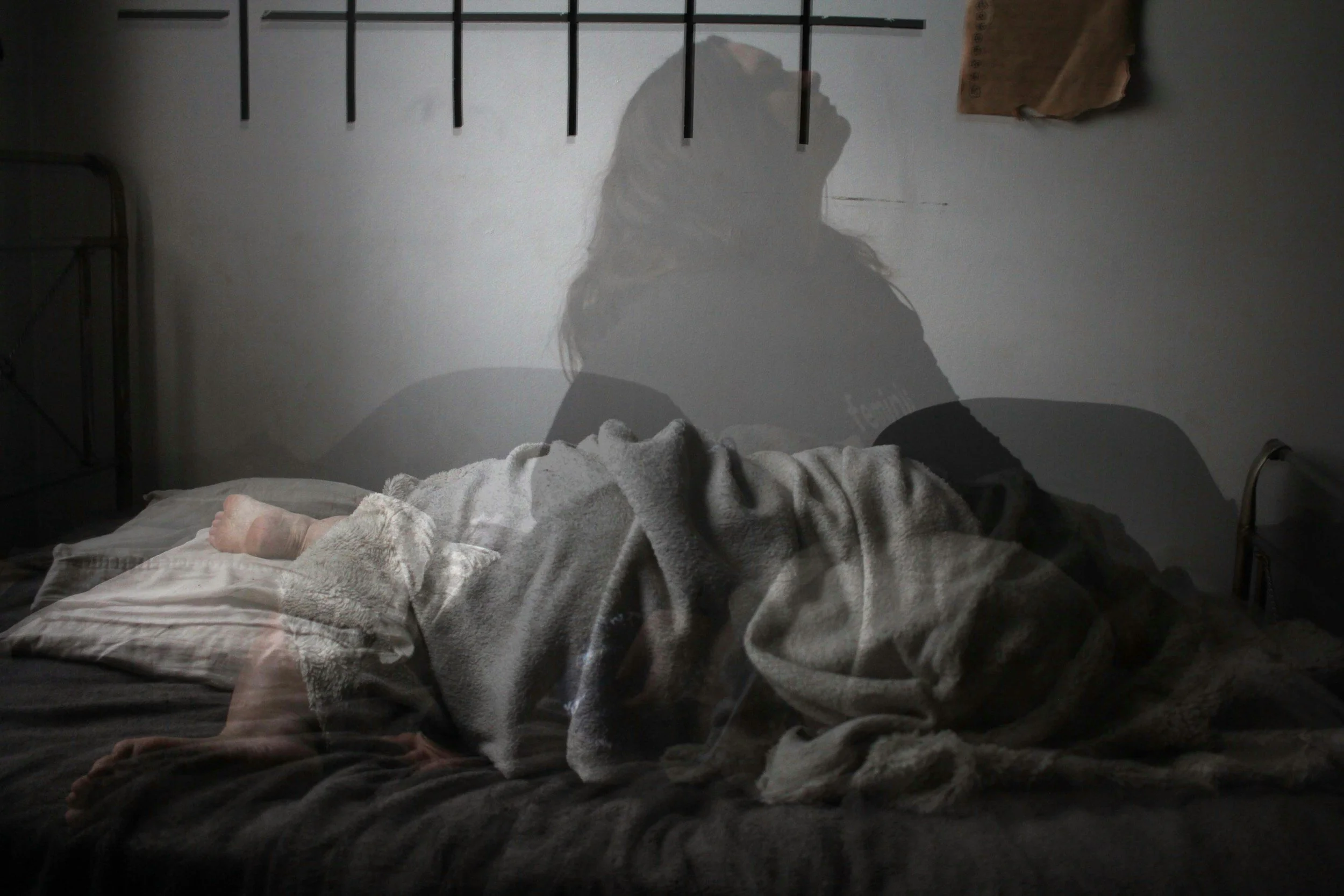
Reclaim the Night: How EMDR and CBT-N Can Help You Heal Trauma and Stop Nightmares
Struggling with trauma-related nightmares? Learn how EMDR and CBT-N therapy in Albany, NY can help you process trauma and restore restful sleep.

CBT-N and Trauma: How This Specialized Therapy Helps You Heal and Rebuild
Learn how CBT-N (Cognitive Behavioral Therapy for Nightmares) helps trauma survivors reduce distress, improve sleep, and regain a sense of safety.

How Trauma Affects Sleep—and How Therapy Can Help You Rest Again
Struggling with insomnia, nightmares, or restless sleep after trauma? Learn how trauma impacts the nervous system and how therapy can restore safe, restorative sleep.

Why Routine Social Check-Ins Help Depression Recovery
Discover how routine social check-ins support depression recovery by reducing isolation, improving mood, and strengthening connection. Therapy in Albany & Schenectady, NY.

Navigating Anxiety Triggered by International Conflict: How global events can impact your mental health—and what actually helps
Struggling with anxiety from international conflict or global news? Learn why it happens, common symptoms, and effective ways to cope and feel grounded again.

Trauma Healing and the Fear of Losing Control: What You Need to Know
Healing from trauma can feel overwhelming, especially when emotions surface unexpectedly. Learn why trauma can create a fear of losing control—and how therapy can help you feel safe again.

Why Trust Feels So Hard After Trauma (It’s Not Just in Your Head
Why trauma can make trust feel physically impossible—and how therapy in Albany and Schenectady, NY can help you rebuild safety and connection.

How to Heal Micro-Hurts That Add Up in Long-Term Relationships
Small, repeated slights—called micro-hurts—can quietly damage long-term relationships over time. Learn how to recognize, address, and heal these emotional wounds through mindful communication and therapy support at Lotus Integrative Mental Health Counseling.

Pet Loss Trauma: Why It’s Real and How Therapy Supports You
Pet loss trauma is real. Discover how therapy at Lotus Integrative Mental Health Counseling can help you navigate grief and honor your beloved companion.

Helping Children and Teens Cope with Stress from War News Exposure
Learn how war news can affect children and teens, causing anxiety, sleep issues, and stress. Discover practical, therapy-informed strategies to help your child cope and build resilience.

The Connection Between Anxiety and Chronic Uncertainty
Chronic uncertainty can intensify anxiety and create constant mental and physical tension. Learn how the unknown impacts your nervous system and how therapy can help.

Therapy for Processing Feelings of Powerlessness in a Time of National Unrest
Feeling powerless during times of national unrest? Therapy can help you process overwhelming emotions, reduce anxiety, and regain a sense of control. Lotus Integrative Mental Health Counseling offers supportive, compassionate care in the Capital Region, NY.

What Trauma Processing Really Means in Therapy
Discover what trauma processing in therapy really means. Learn how trauma‑informed therapy in Albany, Schenectady, Troy, and the Capital Region, NY can help you heal safely and effectively.

Acceptance and Commitment Therapy (ACT) for Anxiety
Acceptance and Commitment Therapy (ACT) helps you manage anxiety by teaching mindfulness, acceptance, and values-based action. Learn practical techniques to live fully despite anxious thoughts.

How Cognitive Behavioral Therapy (CBT) Rewires Anxious Thinking Patterns
CBT helps rewire anxious thought patterns and equips you with tools to manage anxiety. Discover how this evidence-based therapy changes the way your brain responds to worry.


Depression: Techniques to Reduce Rumination and Overthinking
Depression often comes with a heavy mental load. One of the most common yet overlooked symptoms is rumination—repetitive, negative thinking about past events or perceived mistakes. Paired with overthinking, rumination can intensify feelings of sadness, anxiety, and hopelessness. The good news? With intentional strategies, you can break this cycle and support your mental health.

High-Functioning Anxiety: Why It Often Goes Undiagnosed
High-functioning anxiety often goes unnoticed because it can look like success, productivity, and perfectionism. Many people who struggle with constant worry continue to excel at work and meet responsibilities, making their anxiety difficult to recognize. Understanding the hidden signs can help individuals seek support and develop healthier ways to manage stress.